With the rapid development of artificial intelligence, the energy demand of AI data centers is increasing exponentially, which has become a key problem for global technology giants to solve. Traditional energy supply models are stretched thin to meet these needs, prompting industry giants such as Google, Microsoft, and Amazon to set their sights on new energy sectors, with hydrogen and nuclear energy becoming "beacons of hope" in their eyes.
Yuval Bachar, a seasoned data center practitioner, has worked for Meta, Microsoft, and Cisco. Now, with his start-up, ECL, he is part of an energy revolution – building a hydrogen-powered data center.
Hydrogen energy, as a new energy supply option for data centers, has unique advantages. Compared with traditional energy sources, it is more environmentally friendly and the construction period is significantly shortened. According to Bachar, hydrogen data centers take half as long as traditional data centers connected to the grid. Next to ECL's headquarters in Mountain View, California, is a 1-megawatt hydrogen data center. Every half month, a diesel truck arrives from Southern California or Northern Nevada to deliver tanks full of hydrogen. Currently, hydrogen here comes mainly from natural gas, which is the main source of electricity generation in the United States.
Since OpenAI launched ChatGPT in 2022, the tech industry has set off a boom in AI data center construction. Amazon, Google, Microsoft, and others are racing to open large data centers capable of hosting generative AI computing. These data centers are often populated with power-hungry graphics processing units (GPUs) from NVIDIA, which are at the heart of training and running large language models that generate large amounts of text based on a small amount of human input. Executives across industries are looking to integrate generative AI into their products and internal operations to improve productivity. In this race, if data centers can't provide enough power to GPUs, business decision-makers will look elsewhere, which is an important entry point for Bachar to promote hydrogen data centers.
Since its inception in 2021, Bachar's ECL has successfully signed two paying customers, and many more have placed orders for future products. But ECL is currently small, with just 10 employees and 18 contractors, a stark gap compared to OpenAI's Sam Altman-backed fusion company Helion and fission startup Oklo, which together have nearly 600 employees.

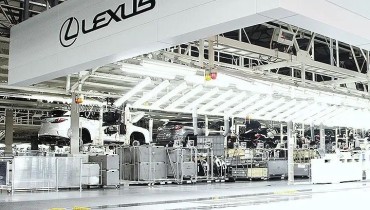
Figure: Tech giants bet on hydrogen and nuclear to power AI data centers(image from CNBC)
In addition to hydrogen, nuclear energy is also favored by tech giants. Microsoft not only partnered with Helion, but also signed a power purchase agreement in September 2024 to restart a nuclear reactor in Three Mile Island, Pennsylvania, that shut down in 2019. Although the safety of nuclear energy and the disposal of nuclear waste have been controversial, its zero-carbon emission nature makes it attractive to technology companies pursuing sustainable development. Companies such as Amazon, Google and Oracle are exploring small modular reactors that are less powerful than the larger reactors on Three Mile Island. Bret Kugelmass, founder and CEO of Washington-based startup Last Energy, said they are working with technology and industrial companies to bring their plug-and-play on-site power generation solutions to their data centers.
At the same time, other new energy sources are emerging in the age of AI. In addition to investing in nuclear-related companies, OpenAI's Altman has high hopes for solar startup Exowatt. Exowatt's partners have built data centers in some areas that consume more than half of the energy available locally. Google has partnered with Nevada-based Fervo Energy to develop geothermal energy. According to Tim Latimer, CEO of Fervo Energy, the company has been able to generate gigawatts of power in a single location through horizontal drilling technology, breaking through the limitations of traditional vertical drilling. However, Adrian Cockcroft, a former sustainability executive at Amazon, points out that the high cost of drilling holes in geothermal energy development is a major obstacle.
ECL plans to build a 1-gigawatt data center in Texas over the next four years with the help of a hydrogen pipeline. Bachar said it could be a long time before a zero-carbon green hydrogen supply was achieved, and converting water into hydrogen and oxygen through water electrolysis was the way to go, but Kittu Kolluri, managing director of Neotribe Ventures, mentioned that the cost of producing green hydrogen by electrolysis is not low. Bachar also mentioned that the price of green hydrogen is affected by many factors.
According to a December 2024 report by Lawrence Berkeley National Laboratory, power demand for data centers in the U.S. is expected to range from 74 to 132 gigawatts by 2028, and the share of total U.S. energy consumption will jump from 4.4% in 2023 to 6.7% - 12%. "It's still unknown whether we can quickly evolve to meet the unprecedented energy demands of AI data centers," Bachar worries. The road to energy transformation is challenging, but in order to meet the energy needs of the AI era, tech giants and many start-ups are still working tirelessly to forge a new path of sustainability in the new energy sector.